
























Woody Johnston, Sales Manager, Airports and Airlines, Cirium
Who has the data? How comprehensive is it? How quickly can it be delivered? And how effectively can an airline or airport use it to understand what is happening?
Those questions still matter. Trusted, accurate data will always be foundational. But I believe AI is beginning to change the conversation.
The next advantage won’t simply come from having more data. It will come from connecting that data, putting it in context, and making it easier for people across an organization to use it to make better decisions.
Working with airlines and airports at Cirium, that’s the shift I find most interesting.
From access to context
Airlines and airports operate in incredibly data-rich environments, but that information is often consumed through the lens of individual functions.
Commercial teams might be evaluating market demand and competitive capacity. Network teams are assessing where to grow or adjust service. Airports are considering how airline schedules could affect passenger volumes and infrastructure. Operations teams have another set of questions altogether.
Different teams. Different systems. Different datasets.
But the decisions they make are deeply connected.

A schedule change can influence airport operations. A fleet decision can affect capacity and network strategy. Changes in demand can influence commercial planning, resource requirements and the passenger experience.
Traditionally, answering these questions often begins with where the data lives and requires someone to navigate different systems and reports to connect the pieces.
AI has the potential to change that starting point.
Instead of beginning with “Where do I find this data?”, users can increasingly begin with “What am I trying to understand?”
Cirium sits at an interesting intersection of aviation data, technology and the decisions our customers make every day. The opportunity isn’t simply to make data easier to access. It’s to help people see relationships across information that has historically been viewed separately.
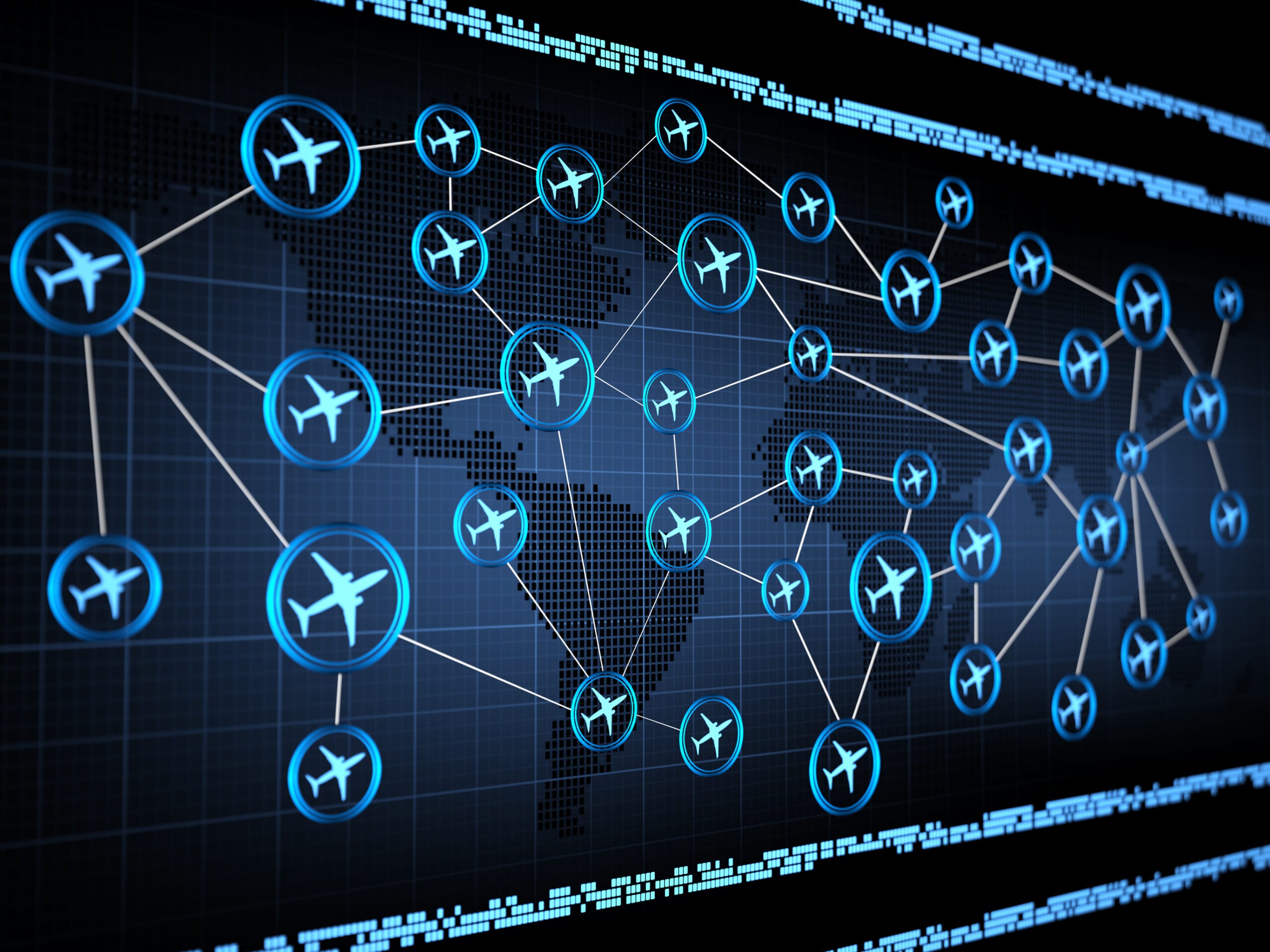
Breaking down the data silos
This is where I think the opportunity becomes bigger than AI itself.
An operational challenge may require context from schedules, fleet, capacity, traffic or market dynamics. Passenger growth at an airport might influence airline development, terminal planning and resource requirements.
When those signals can be considered together, organizations have the opportunity to make more informed, interconnected decisions.
I believe one of the most valuable applications of AI in aviation will be helping people surface those connections. Not replacing expertise but giving aviation professionals better context to apply their expertise more effectively.
The value isn’t AI making the decision. It’s helping people see more of what matters when they make it.
From connected data to a better passenger experience
At Cirium, I believe the opportunity is to help move the industry beyond simply providing access to aviation information. It’s about connecting information that has historically lived in separate places, putting it into context and helping customers understand the broader implications of their decisions.
For airlines and airports, the end goal isn’t more dashboards or reports. It’s better decisions.
Better decisions about how commercial strategy affects operations, how network changes affect airports, how operational choices affect passengers, and how each part of the aviation ecosystem affects the others.

If we can break down traditional data silos and create a more connected view of aviation, we can help airlines and airports operate more efficiently, anticipate challenges earlier and make smarter decisions across the passenger journey.
Ultimately, the opportunity isn’t just to connect more data. It’s to make more connected decisions that create a better experience for the passenger.