
























Team Perspective
Max Kingsley-Jones, Senior Consultant, Cirium Ascend Consultancy
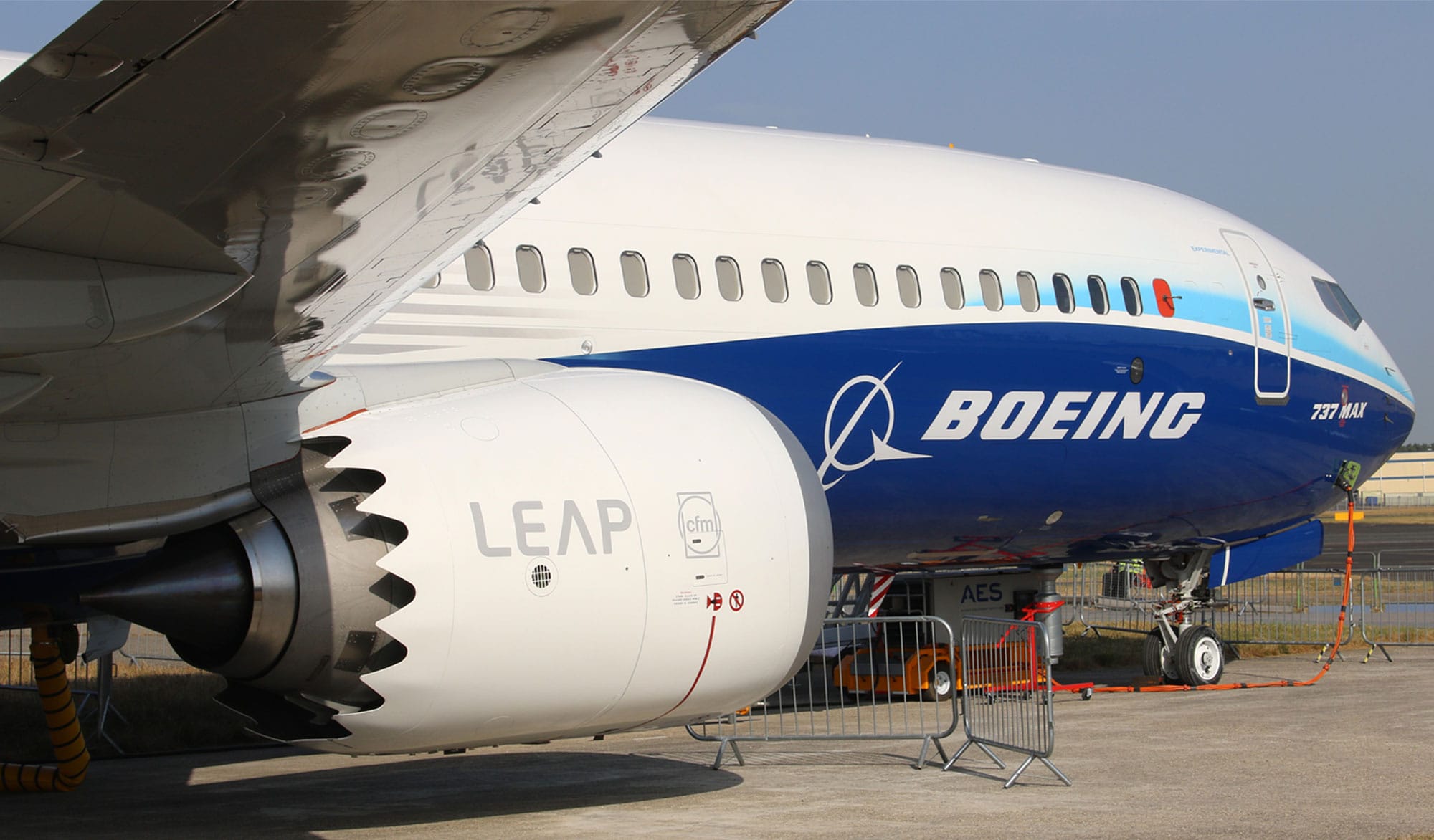
Recent US Federal Aviation Administration approvals for the Boeing 737-7 and -10 Max signalled the start of the programme’s final stage of recovery, but there remain crucial tasks required to complete this process. These include wider approvals from international authorities and the start of the delivery process, both of which are expected in the coming months.
From a business perspective, the 737-7’s approval was just a staging post towards clearance for the 737-10. The latter, which is the largest Max variant, accounts for a third of the Max’s firm backlog, while the -7 makes up less than 4%. The -10 – which finally gives Boeing a competitor to the Airbus A321neo – is also the variant with broad appeal globally. Cirium data shows that after North America (47%), Europe will be the destination for around 30% of 737-10 deliveries, while a fifth is heading to Asia-Pacific. Europe is also the home for the 737-10’s third-largest customer, Ryanair, which has 150 firm orders, due to start arriving by spring 2027.
Cirium estimates Boeing has in inventory around 14 pre-built 737-10s (and 28 -7s) that are being brought up to production standard ahead of first delivery to launch customer/operator Aviation Capital Group/WestJet. This is expected in the first quarter of 2027. The modifications include the engine nacelle anti-icing redesign that has paced the approval process for the 737-7 and -10.
Boeing 737-10 leading airline customers*
| Rank | Operator | Firm orders |
|---|---|---|
| 1 | United Airlines | 167 |
| 2 | Alaska Airlines | 161 |
| 3 | Ryanair | 150 |
| 4 | American Airlines | 112 |
| 5 | WestJet | 105 |
| 6 | Delta Air Lines | 100 |
| 7 | Pegasus | 100 |
| 8 | VietJet Air | 80 |
| 9 | Korean Air | 62 |
| 10 | Lion Air | 50 |
| Other customers | 371 | |
| Grand total | 1,458 |
*includes leased aircraft
Source: Cirium Ascend Fleets Analyzer
Given the size of the orderbook, European approval for the 737-10 will be a crucial milestone, particularly if there are any special conditions linked to the sign-off. The -10’s introduction will herald improvements to the Max cockpit alert system, which includes a means for crew to silence spurious stall warning and overspeed alerts. These upgrades, along with a synthetic enhanced angle-of-attack system, will be retrofitted to the Max in-service fleet and have been developed at the behest of certification authorities including the European Union Aviation Safety Agency in the wake of the accidents and grounding.
Boeing is facing a near-term challenge to stabilise 737 monthly output at Rate 47 (R47), to ensure it can achieve a smoother transition to the next increase of R52. Senior management explained during its third-quarter earnings call on 27 October that Boeing was yet to be confident it had stabilised wing production at its Renton plant to support R47. This has prompted the airframer to delay the increase to R52 until the second half of 2027. Boeing finance chief Jay Malave said that a further production increase to R57 “provides the runway to deliver at R63” in the 2029 timeframe.
In anticipation of the 737-10 (and -7) being certificated, Cirium Ascend Consultancy reviewed values for both variants in late June, and these are now available from the Cirium Values Analyzer database. Cirium estimates that a 2027-build 737-10 has a market value of around $60 million.