


























Mike Malik, Chief Industry Officer, Cirium
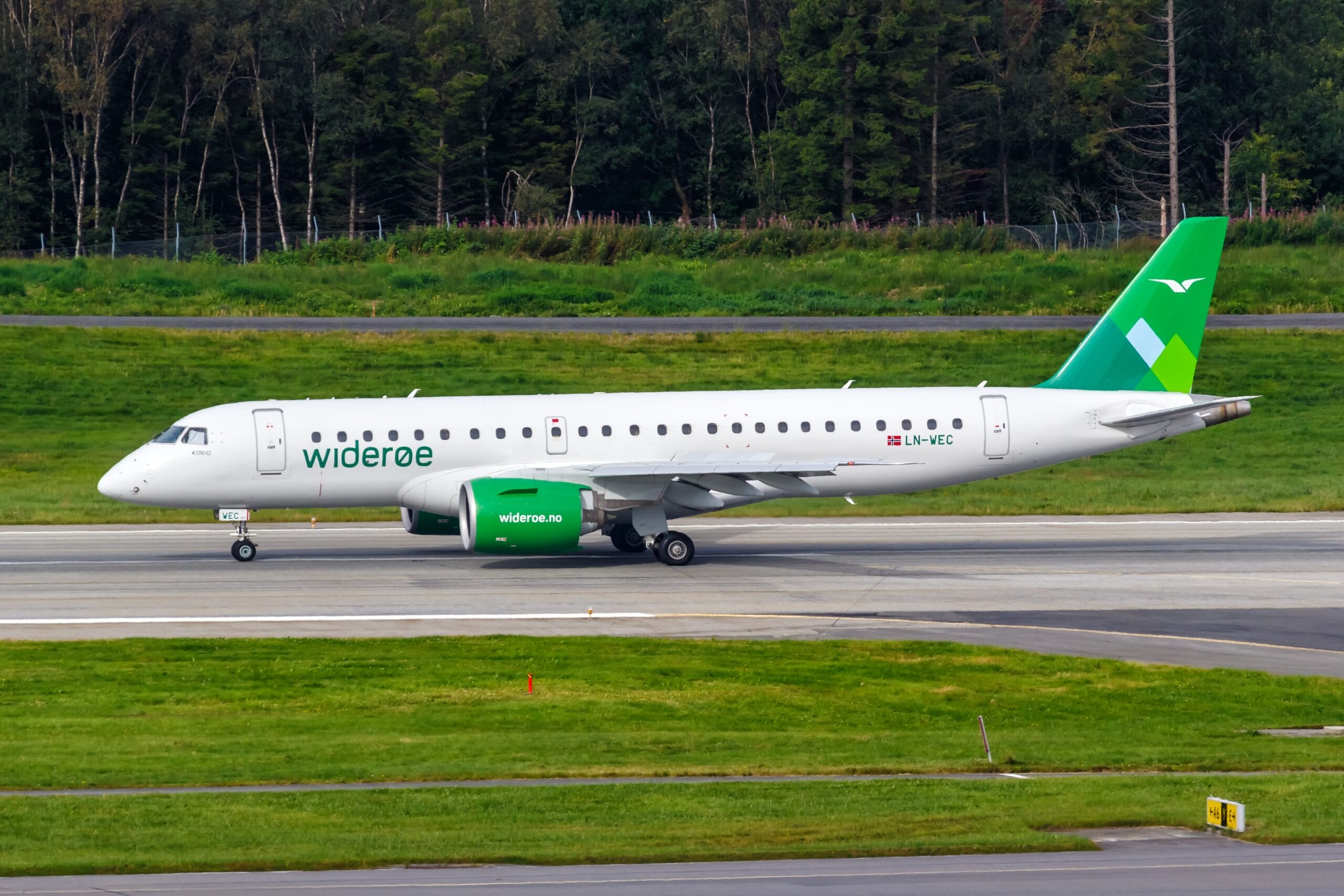
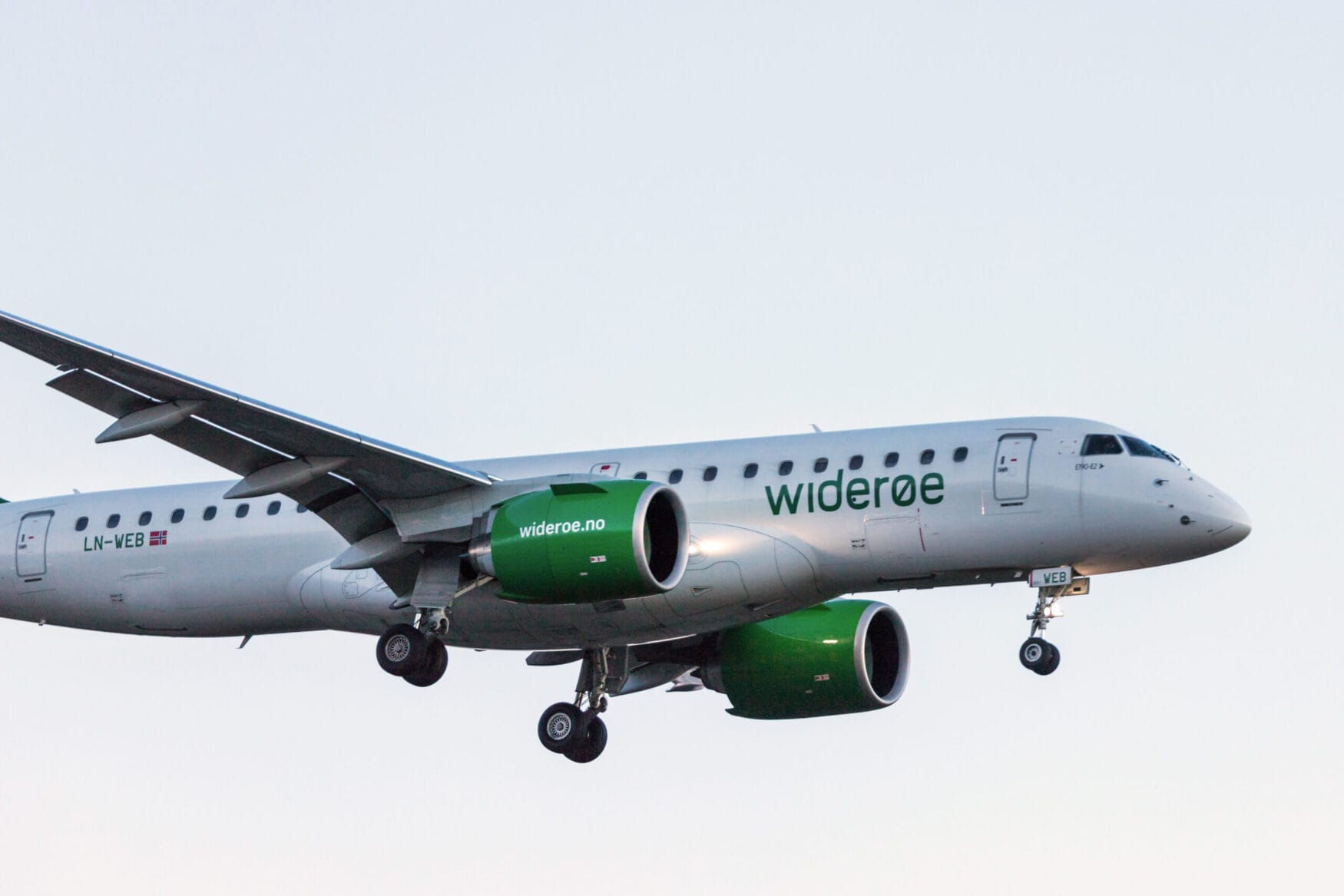
Widerøe’s on-time performance is worth a closer look because the number sits in a context that is easy to underestimate.
In May 2026, the airline recorded an arrival on-time performance of 95.72%, according to Cirium data. For Cirium, a flight is considered on time when it arrives within 14 minutes and 59 seconds of its scheduled arrival time. The value of that definition is consistency: it gives the industry a common basis for comparison, even when the operating environments are very different.
Widerøe is one of those cases where the operating environment is challenging. The airline serves a regional network across Norway, where weather, winter operations, short turnarounds, airport constraints and communities with limited transport alternatives all place pressure on the operation. The May 2026 result should be read against that broader operating reality: reliability in this setting is hard to achieve routinely and must be designed into the operation.
Widerøe is not always visible in Cirium’s published award categories because those categories are built around defined qualification thresholds, including scale, network criteria and comparability across airline groups. That should not obscure the performance itself. Some disciplined airline operations sit outside the most visible global rankings, and Widerøe is a useful example.
“Some disciplined airline operations sit outside the most visible global rankings.”
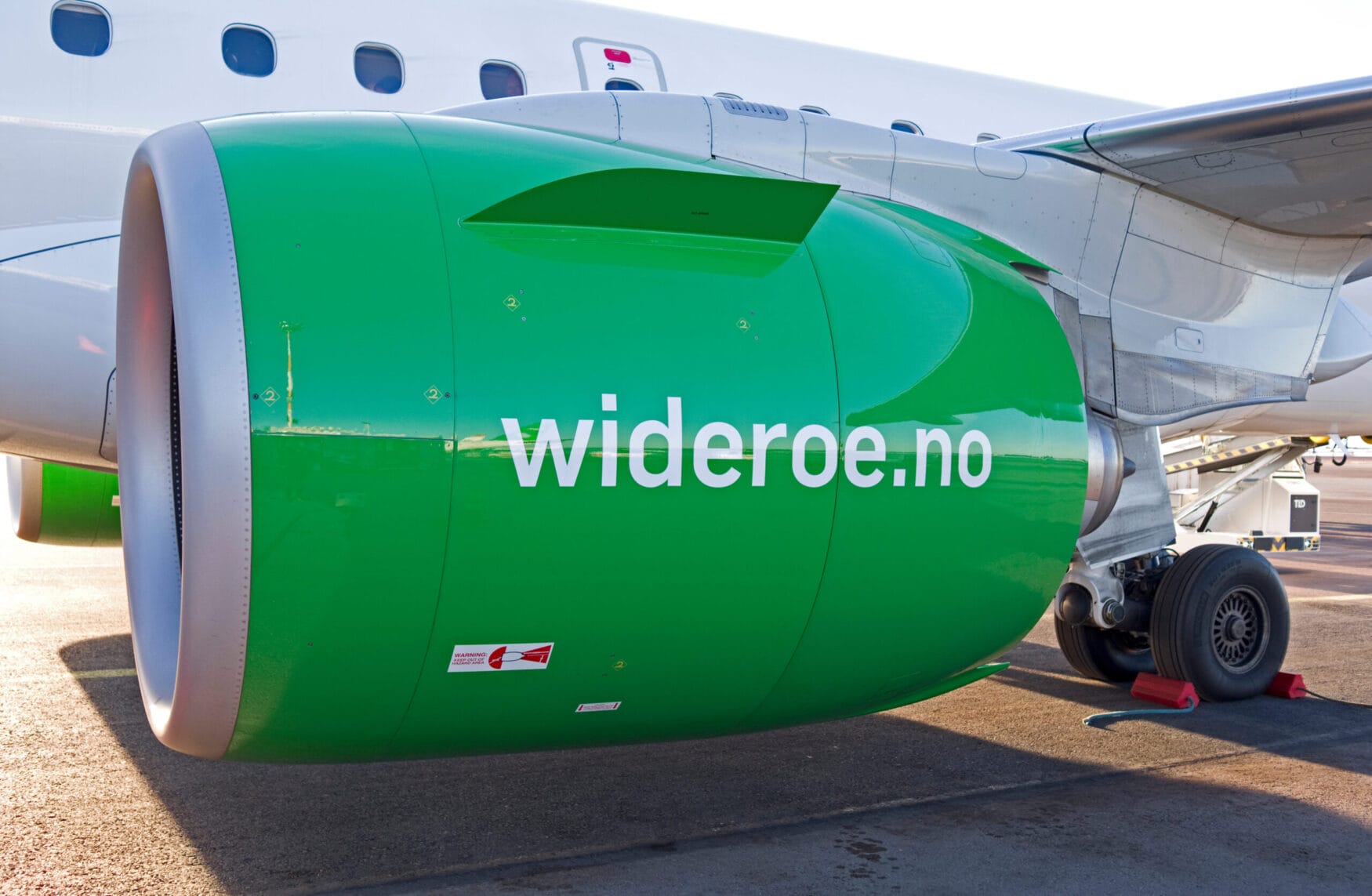
What stands out in Widerøe’s response to my questions is the way the airline talks about OTP. It does not treat OTP as a narrow operations target. It describes it as a reflection of how well the airline functions as one system, shaped by planning, disciplined execution, accountability and decisions made across the organisation.
That is particularly relevant for a regional carrier. Widerøe operates in demanding conditions, with many connections and communities that depend heavily on air links. For those passengers, reliability is not just a service attribute. It can determine whether a working day, an onward connection or an essential journey remains intact.
The airline is also realistic about what it can and cannot control. Weather, de-icing, air traffic restrictions and airport infrastructure all affect performance. Widerøe’s point is not that an airline controls every variable. It is that a well-prepared operation absorbs disruption better than a fragile one.
That preparation starts well before the day of operation. Widerøe says accountability for OTP begins with the leadership team and extends across the company. Scheduling, commercial planning, fleet strategy, maintenance, crew planning and airport processes all influence whether the customer experiences a reliable journey.
This is where Widerøe’s result becomes more than recognition of a strong number. It points to a business-wide view of reliability. If the schedule is unrealistic, if teams work in isolation or if the operation has too little resilience, performance will become harder to sustain. Widerøe’s answers suggest the airline has chosen to manage OTP as a shared responsibility rather than a departmental issue.
The same thinking appears in its view of schedule competitiveness. Every airline has to balance an attractive schedule with one that can be delivered consistently. Widerøe’s position is that customers ultimately value reliability more than theoretical speed. A timetable only creates value if it can be flown.
“A schedule only creates value if it can be flown.”
That statement is especially important in regional aviation. A schedule that looks attractive on paper but regularly creates delays will erode trust. Widerøe’s view is that the line is crossed when operational robustness is sacrificed for marginal commercial gain.
Passengers care about arriving when expected, keeping their plans and making their connections. Widerøe recognises that OTP is important, but not complete as a measure on its own. The airline also looks at regularity, disruption recovery, customer feedback and overall operational reliability.
Cirium’s OTP data provides an independent and consistent way to measure this reliability. Its value is greatest when the data is read alongside the operating reality of the airline being measured. In Widerøe’s case, the figure of 95.72% is the starting point. The fuller story is how the airline has organised itself around reliability.
Widerøe identifies cross-functional collaboration as the most important change behind sustained performance. That can sound like standard corporate language, but in airline operations it has practical meaning. OTP rarely improves through one project alone. It improves when scheduling, operations, maintenance and commercial planning are working to the same operational promise.
Culture is part of that. Most airlines understand the mechanics of on-time performance. The harder task is creating an environment where reliability is visible, valued and connected to the customer experience. Widerøe says OTP is discussed internally not as a target for its own sake, but because it shows how well the airline is delivering for customers.
The years ahead will test that discipline. Widerøe expects European airspace and airport congestion to place more pressure on operational performance, while passenger expectations for reliability remain high. The challenge will be maintaining resilience while continuing to improve efficiency and sustainability.
This is why Widerøe’s performance is worth recognising, even outside a published award category. It shows how a regional airline can treat reliability as part of the product, not just as a statistic to report after the month has closed.