



























Mike Malik, Chief Industry Officer, Cirium
On 6 April, Brindisi airport stopped being able to refuel commercial aircraft. A notice went out to pilots. It told them fuel was unavailable, and to carry what they needed from where they were coming from. The airport held back fuel for state flights, air ambulances and search and rescue. Six other Italian airports were rationing that same week. Most aircraft were capped at 2,000 liters, under an hour of flying for a Boeing 737. The notices came from the fuel supplier, not the government. The supplier had run short of what it had agreed to deliver.
Italy was not alone. Myanmar suspended domestic flights for part of March. Tahiti restricted refueling for international flights to what was essential. Vietnam limited what it would release to foreign carriers, and Iberia suspended Madrid to Havana from June. Every one of those is a secondary station or a thin market. However, notice that since the Strait of Hormuz closed at the end of February, no major hub anywhere has run dry.
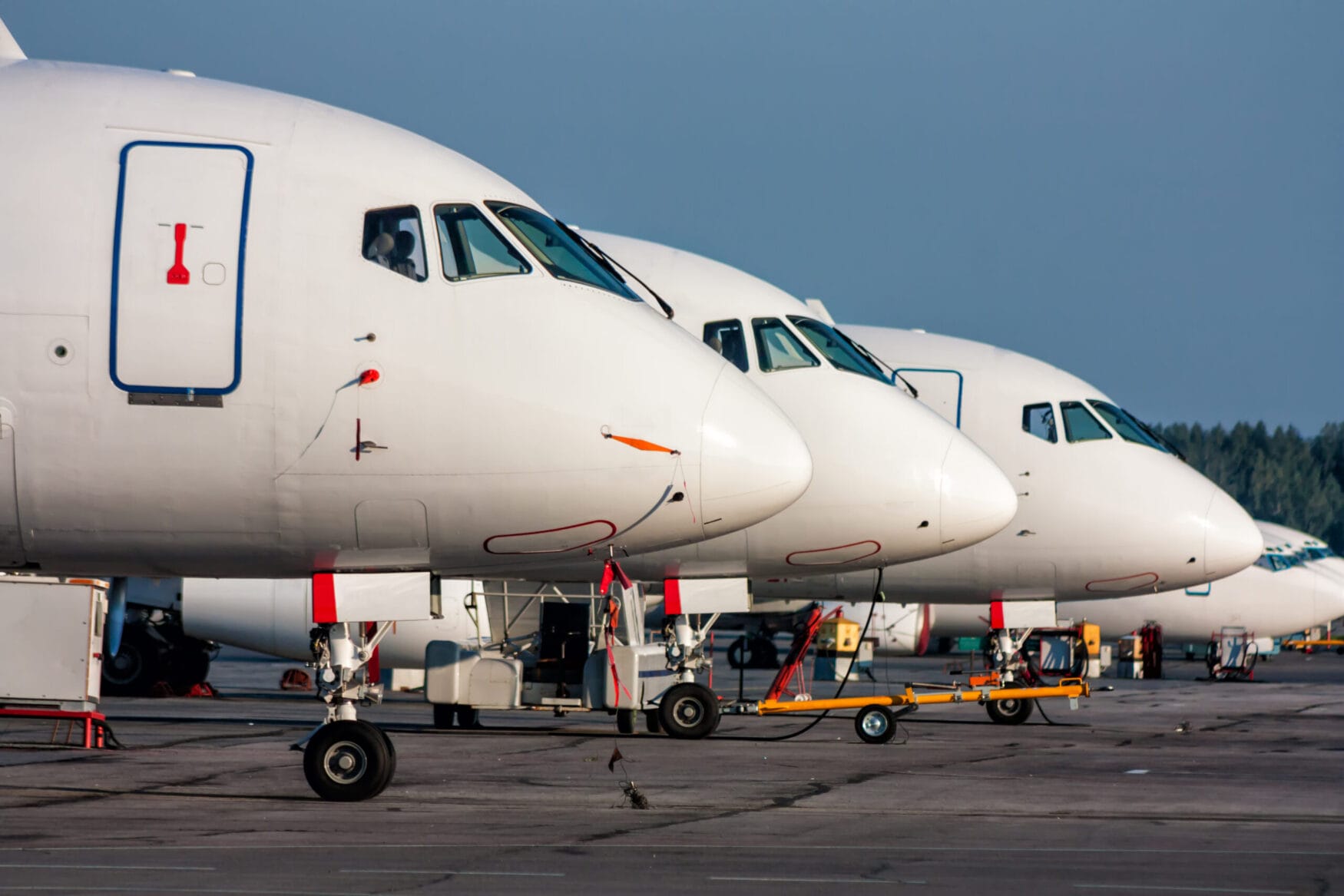
The warnings when Hormuz closed were of the whole system running dry, of grounded fleets and hub airports closing. That is not what happened. Nearly seven months on, the hubs are still operating. The fuel that went missing went missing from secondary locations. So, in summary the failure is real. It is just not the one that was forecast.
The Italy case makes the point, because Italy was not short of fuel. The country burned 14.5% more jet fuel between March and May than a year earlier. There was more fuel in Italy than usual, and seven Italian airports still could not serve aircraft normally. There was plenty of fuel in the country. It just was not in the right tanks, at the right airport, on the right morning. Those are two different problems, and the industry only knows how to solve one of them. It has spent two decades building machinery for the first and almost nothing for the second.
Was Europe short of fuel?
34%
below the pre-war average
European jet fuel imports from March onwards
203,000
barrels a day
roughly the missing import volume
34%
below the pre-war average
consumption change across five major European market. March-May
From March onwards, European jet fuel imports ran about 34% below their pre-war average. That was a shortfall of roughly 203,000 barrels a day, and 22% below the same three months of 2025. Europe burns about 1,478,000 barrels a day, so the missing volume was about a seventh of everything the continent uses. Yet across March, April and May, consumption in the United Kingdom, Germany, France, Spain and Italy fell by just 0.2% against 2025. Europe carried on flying at almost the same level while a seventh of its imported supply went missing. Brindisi ran dry in the middle of it.
Three things closed the gap:
- Refineries raised the share of each barrel going to jet fuel, because it was worth about $30 a barrel more than diesel. They kept doing so until their ability to produce it reached its limit.
- Traders bought from further away, with shipments from the United States and Nigeria.
- The rest came out of Europe’s own storage tanks.
Europe closed the gap by running refineries differently and emptying its tanks. Neither of those works a second time.
What the market can and cannot do
Every part of that response runs on price. Refiners follow the margin, traders re-source shipments when a route closes, and airlines hedge and pass costs through. It worked well this year. Replacement cargoes were found on other continents within weeks of the Gulf route closing. But moving fuel between countries is one job. Getting it into a fuel farm at a regional airport on a Monday morning is another. Different people do the second job, and they have far less support and structure behind them. That is why Italy could burn more jet fuel than the year before while Brindisi had run dry. Politics does not answer to price either. China and Thailand halted jet fuel exports and South Korea capped them, and a buyer in Vietnam cannot outbid an export ban.
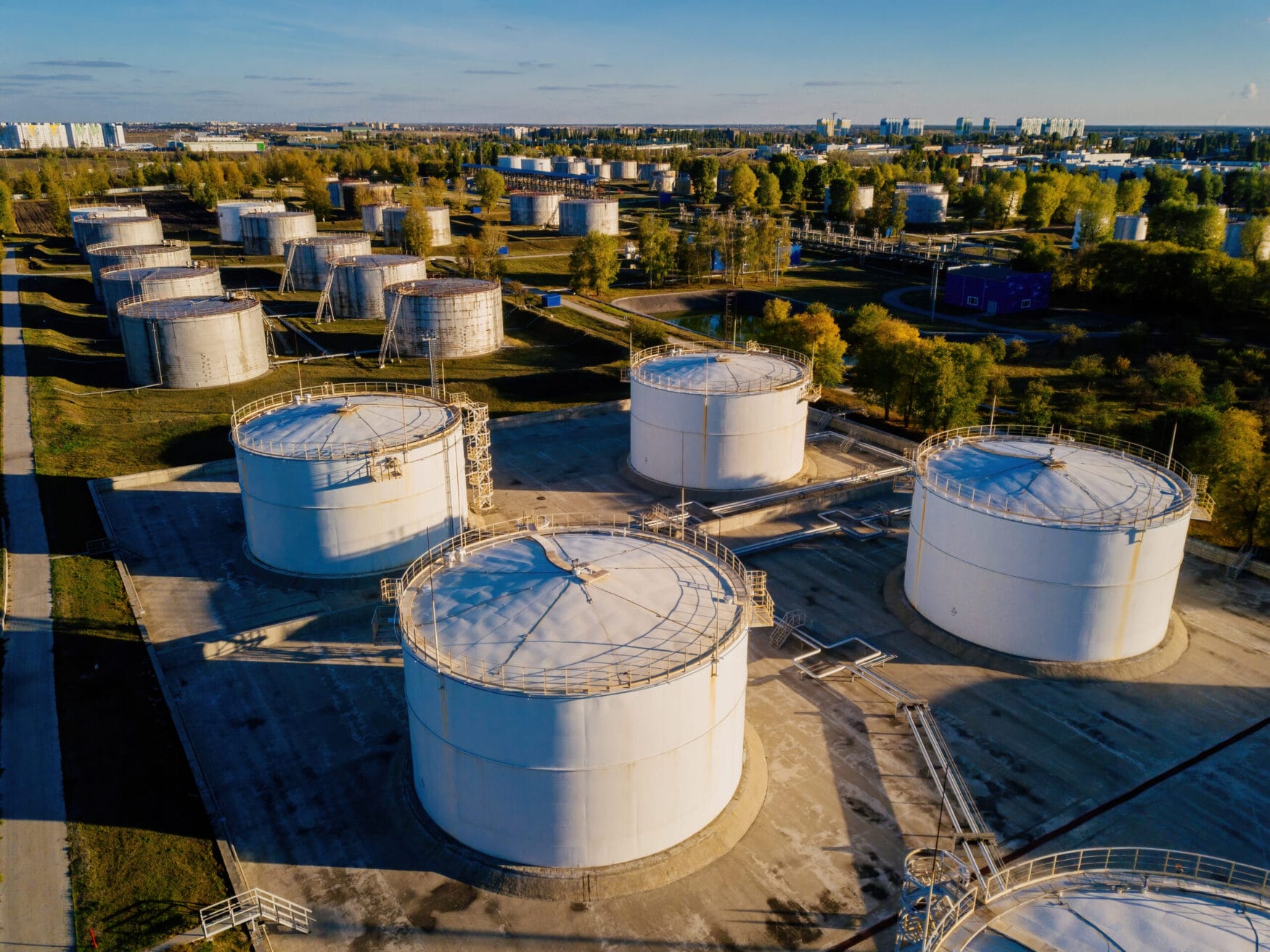
The two American responses this year show where the industry’s found creative solutions. Delta has owned the Trainer refinery outside Philadelphia since 2012, and expected a $300 million benefit from it in the second quarter alone. It is a permanent hedge against refining margins, a fix for price and not for delivery. Southwest Airlines chartered a single tanker from Houston through the Panama Canal to Los Angeles in May. It was the airline’s first fuel delivery by sea, and only possible because the Jones Act had been waived in March. Delta solved the price problem. Southwest solved a delivery problem, once, with a federal waiver.
What closing the gap used up
By late summer all three buffers had weakened. Diesel ended July worth more than jet fuel, so refiners began leaning back the other way, and the jet to diesel regrade is still negative. Drone attacks on Russian refineries have led to tight gasoil supply. The gasoil supply situation was made worse by low water on the Rhine which held back barge deliveries, though forecast rain may ease some of it. Jet fuel inventories in the Amsterdam-Rotterdam-Antwerp hub fell 4.5% in the week ending 13 August and sat 38% below a year earlier.
The cover for the autumn is thin. European refineries enter planned maintenance in September and October. Normally Europe could top up by buying spare fuel from Asia and India, but that route is effectively closed. The Bab el-Mandeb Strait, the sea lane those cargoes pass through, is a war-risk zone, and going the long way round Africa costs so much that the trade no longer pays. So, there is little coming in from outside to replace the lost production, which means the import route only begins to recover late in the year, with crude staying elevated while the disruption lasts.
Which airports are most at risk
Shortages hit the smallest airports first. That is why the affected list reads Brindisi, Pescara, Yangon and Tahiti rather than Heathrow, Frankfurt or Changi. Italy’s own priority rules made the logic explicit. Where supply ran out it went to medical flights, state aircraft and search and rescue. Where it was capped, flights over three hours were served first and everything shorter was limited. The realistic failure is a run of secondary airports losing supply while the hubs carry on. That puts the exposure on short-haul operators with no hub to fall back on, flying sectors too short for tankering to make sense. When Brindisi ran short in April, a fuel supplier decided which flights were served. Nobody has agreed who makes that call overall.
Is this a repeat of 2008?
I was working at an airline in 2008 when jet fuel went from $114 a barrel to over $180 in a few months. Aloha, ATA and Skybus stopped flying in a single week, and 25 airlines failed in the first half of that year. The cost moved faster than they could raise fares. That was a price shock, and the industry has prepared for the next one ever since. The preparation worked. Europe lost 34% of its imported fuel through the spring and the machinery absorbed it. None of that mechanism was any use at Brindisi. No surcharge fills an empty tank, no contract clause produces a delivery, and no hedge tells an airport supplier which flights to serve first. The industry is well defended against the thing that costs it money and undefended against the thing that stops its aircraft from operating altogether. It took a war and a small airport in Puglia to make that visible.
Fuel pricing, refinery output, storage and demand data is from ICIS, the commodity intelligence business within RELX. Schedule, capacity and operational data is from Cirium. Reporting on fuel restrictions in Asia and the South Pacific is from Reuters.