



























Mike Malik, Chief Industry Officer, Cirium
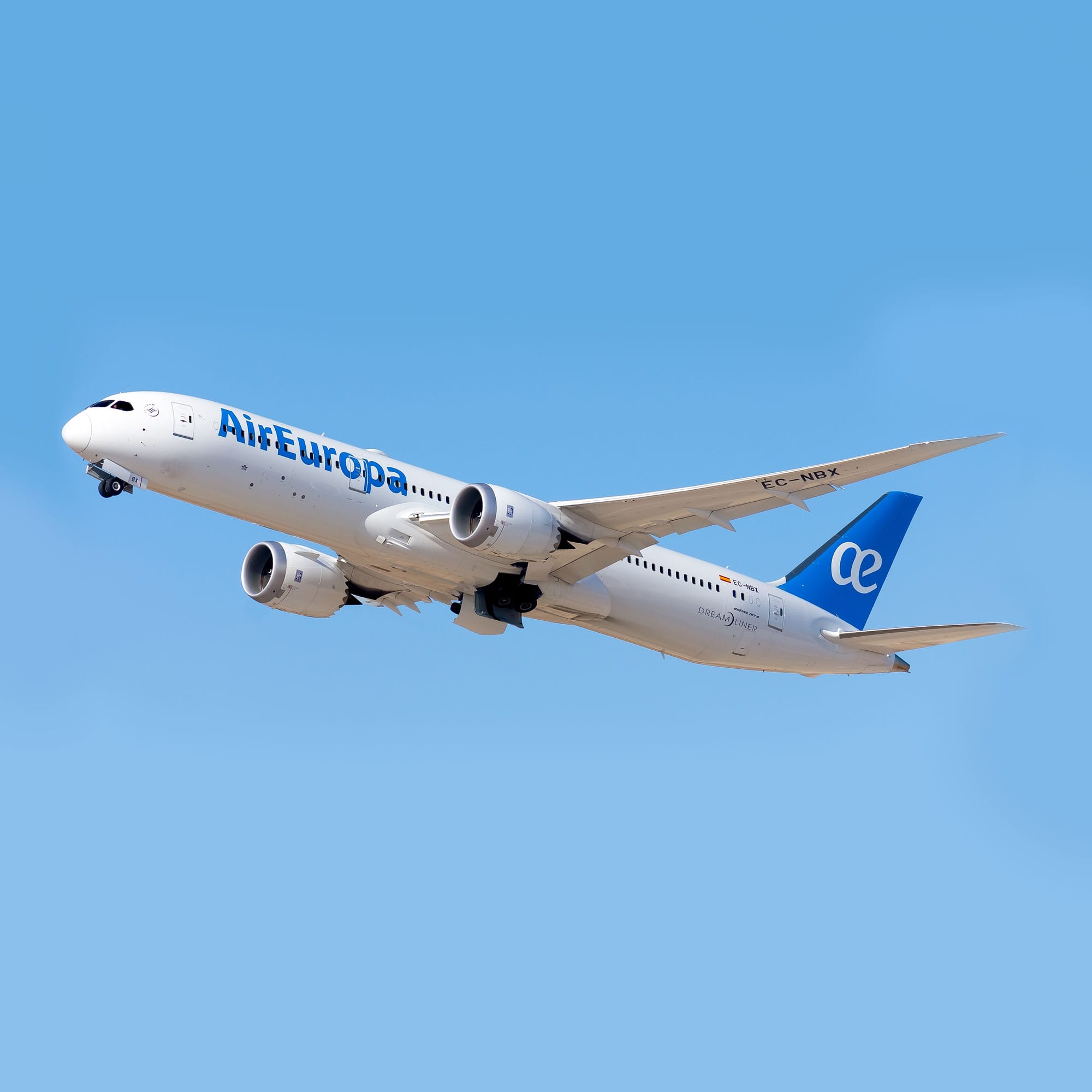
Air Europa has built a consistent record on emissions reduction over the past decade. The airline has reduced its emissions by 23.58 percent against a 2015 baseline, and won SkyTeam’s annual sustainability challenge in both 2023 for lowest CO2 emissions Short Haul and 2025 for most efficient solution in flight operations. The progress reflects a measured, long-term approach rather than a single headline initiative.
To understand the practices behind those results, we looked at how the airline thinks about measurement, operations and the path to its 2030 target. What follows is a summary of the work, drawing on insights from the airline’s sustainability team.
The quotes that follow are from Rosa Nordfeldt, Sustainability Director at Air Europa.
Starting with Measurement
Air Europa’s sustainability work began not with ambition but with measurement. Before improvement targets could be set with confidence, the airline invested in the data infrastructure needed to understand its own emissions clearly and consistently. Once that foundation was in place, the targets followed, and the operational practices to deliver against them came after that.
“Before you can improve operational performance, you need confidence in the data and a shared understanding of what ‘good’ looks like. Once measurement matured, ambition followed naturally, and that ambition then translated into operational practices.”
It is a sequence that gives the airline confidence in the targets it sets, because those targets are anchored in what the data actually supports. It also makes each percentage point of improvement easier to find, because the measurement infrastructure is already in place to identify it.
Operational Language and Daily Practice
One of the more distinctive features of Air Europa’s programme is how the airline talks about emissions internally. Rather than treating emissions performance as a separate sustainability concern, the airline made it part of the operational language already in use across flight operations. Emissions performance is discussed in the same conversations as fuel efficiency, route planning and flight performance.
“Pilots and operations teams already work in a highly data-driven environment, so emissions became another performance dimension they could influence directly, rather than an external corporate objective.”
The result is that the people closest to the fuel burn see emissions as part of their own work rather than something owned elsewhere. That integration is what turns sustainability targets into day-to-day decisions.
Fleet, Operations and Regulation
Air Europa operates across two distinct profiles. Short-haul European routes, where competition and turn times shape operations, and long-haul transatlantic services to Latin America, where fleet selection and route structure dominate the emissions picture.
Both have contributed to the airline’s progress. The transition of the long-haul fleet to the Boeing 787 Dreamliner has delivered meaningful improvements on the transatlantic network. On short and medium-haul routes, the ongoing replacement of the Boeing 737 Next Generation with the 737 MAX is delivering similar gains. Fleet renewal alone, however, is not the whole answer.
“Fleet renewal provides the potential, but it is the way those aircraft are operated day to day that ultimately turns that potential into measurable emissions performance.”
Route planning, flight procedures and the consistency with which procedures are followed all contribute. The aircraft provides the platform. The discipline applied to its operation determines how much of its potential is realised.
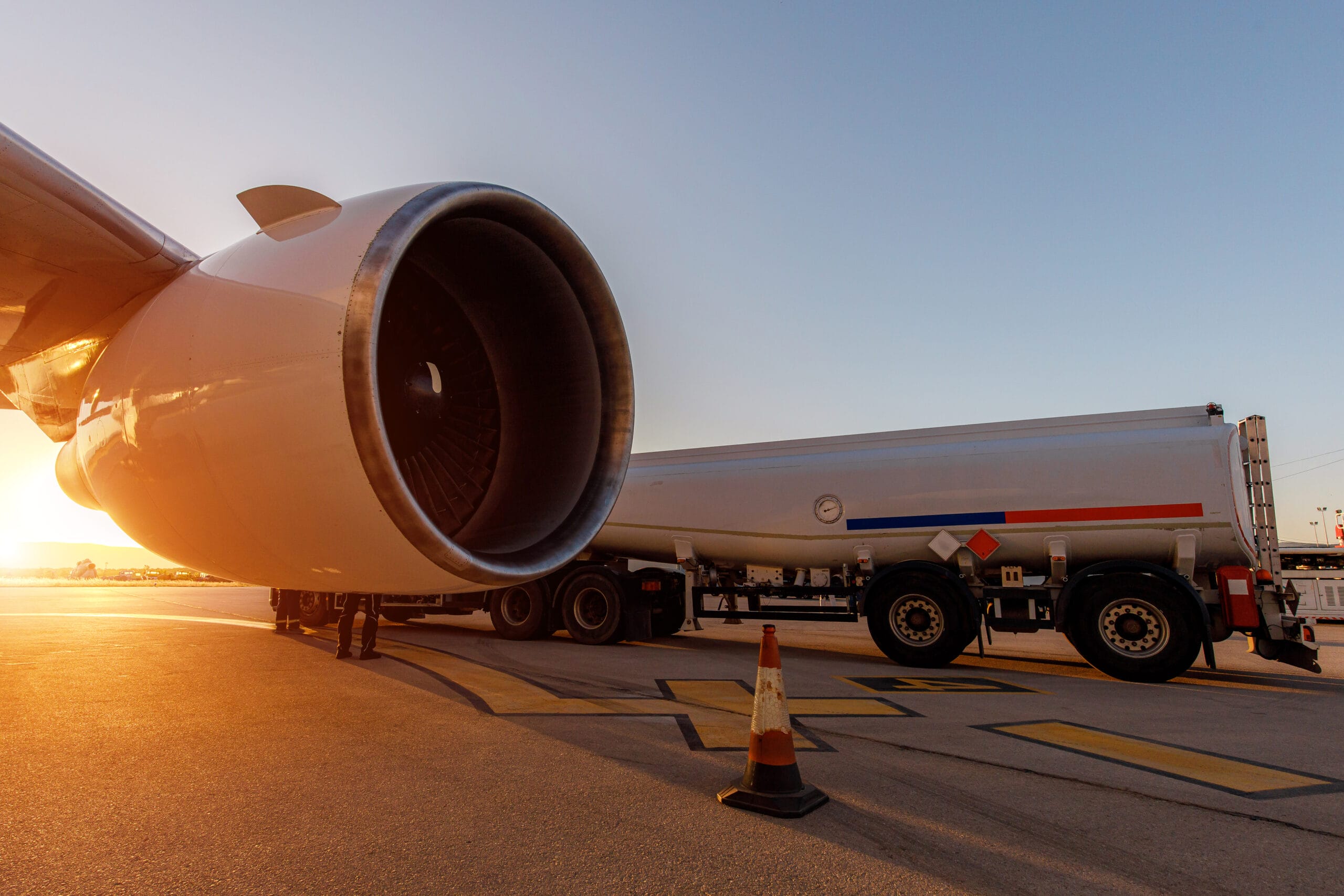
The European regulatory environment is now reinforcing many of these practices. The ReFuelEU Aviation Regulation (Regulation (EU) 2023/2405) is designed to reduce fuel tankering, the practice of uplifting more fuel than is needed at one airport in order to avoid buying it at another. Tankering can be commercially attractive when origin fuel is cheaper, but every additional kilogram of fuel carried burns more fuel for every kilometre that weight travels. To close that gap, the regulation requires aircraft operators to uplift at least 90 percent of their annual fuel requirement at each EU airport from which they depart. For Air Europa, the regulation aligns with practices the airline had already adopted on emissions and efficiency grounds.
On Sustainable Aviation Fuel
On Sustainable Aviation Fuel, the airline takes a measured view. SAF is part of Air Europa’s long-term decarbonisation pathway, but the airline is direct about its current limitations. The strategy treats SAF as one element of a broader transition rather than as a standalone solution, and combines pilots, partnerships and ongoing learning while continuing to prioritise the operational measures that deliver emissions reductions today.
Current SAF production covers only a small share of global jet fuel demand. The path to 2030 will be paved largely by operational efficiency and fleet renewal, with SAF making an increasing contribution as supply scales up over the coming decade.
Flight Emissions Review
With growing pressure on aviation to decarbonize, accurate and independent emissions data is now critical to guide decisions, track progress, and deliver real sustainability outcomes.
We deliver trusted emissions data and insights that enable aviation leaders to make informed decisions and advance decarbonization efforts. Highlights include:
- Global Airline Category Rankings
- Regional Performance
- Route-Level Improvements
- Operational Insights
The 2030 Target
Air Europa is targeting a 30 percent reduction in emissions by 2030 from a 2015 baseline. With the airline currently at 23.58 percent, the next four years will require sustained discipline to close the remaining gap.
What gives the airline confidence in that trajectory is the foundation it has already built. The measurement infrastructure is in place. The integration of emissions performance into daily operations is established. The fleet transition to more efficient aircraft is well advanced. The regulatory environment, particularly in Europe, is increasingly aligned with the practices Air Europa has been developing internally for years. The remaining gains will come from continuing to do well what the airline has already learned to do.
From Compliance to Performance
One observation captures something important about how sustainability becomes embedded in an organisation:
“Once sustainability was framed not as compliance, but as operational excellence and competitive differentiation, the competitive instinct followed organically. It became something teams wanted to lead on, not simply comply with.”
Treated as a compliance exercise, sustainability produces compliance results. Treated as a performance domain, it engages the same instincts that aviation has always brought to questions of efficiency, reliability and excellence. Air Europa’s record suggests that the move from ambition to results happens through measurement, integration into daily operations, and disciplined practice over time. It is a path the airline continues to walk, and one its results indicate is working.