






























Jay Morgan, Director, Professional Data Services, Cirium
Defining the Medium Airport Category
Medium airports, as classified in the Cirium OTP program, serve between 15 and 25 million seats per year and must meet stringent data coverage requirements. Only airports with at least 80% actual gate departure coverage and full award qualification are considered for the rankings, ensuring a level playing field and reliable benchmarking.
PTY’s Standout Performance
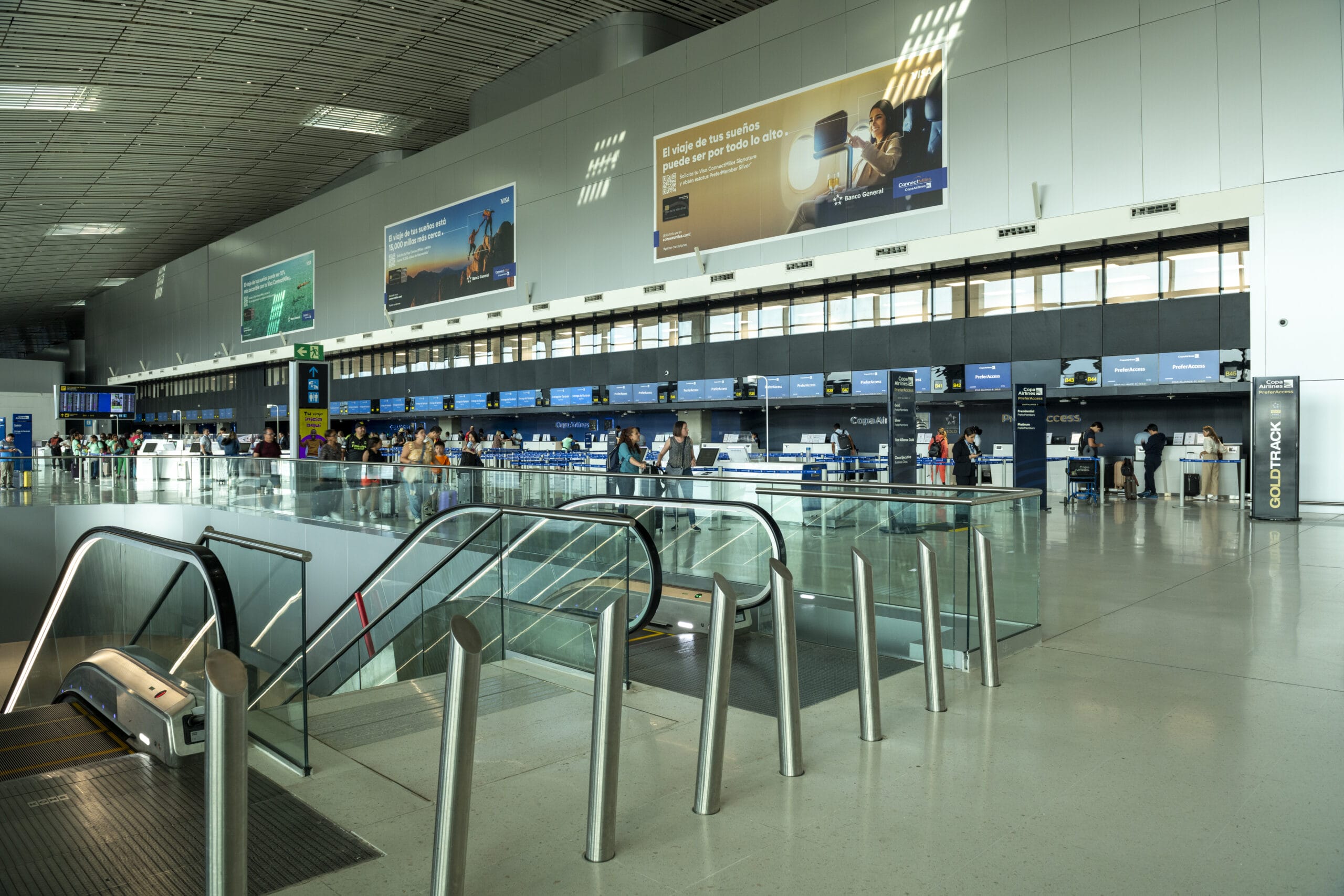
In 2025, PTY secured the number one spot in the medium airport category, achieving an impressive [93.34%] on-time departure rate. This figure is supported by a remarkable 99.49% tracked flight coverage, underscoring the reliability of the data and the airport’s operational discipline. PTY’s “B0%” metric—representing the share of departures with zero recorded delay—stood at 68.57%, further highlighting its commitment to punctuality.
The airport’s scale and connectivity are also notable. PTY served 95 routes across four regions, with 19 airlines operating a total of 148,065 flights during the period. Its total seat count for the year reached 24.46 million, placing it firmly within the medium airport band while maintaining broad international reach.
Context Among Peers
PTY’s closest competitors in the medium airport category included Brasília International Airport (BSB) and Johannesburg O.R. Tambo International Airport (JNB), with on-time departure rates of 88.36% and 86.22%, respectively. While these airports demonstrated strong performance, PTY’s margin of excellence was clear, driven by both high punctuality and comprehensive operational coverage.
Key Takeaways
The recognition of PTY’s outstanding performance, underscored by a 93.34% on-time departure rate, demonstrates the tangible benefits of operational discipline and strategic investment in reliable infrastructure.
Such consistent punctuality is not achieved by chance, but through a concerted effort across multiple facets of airport management—ranging from proactive maintenance and real-time resource allocation to close collaboration with airline partners and ground service providers.
Leveraging advanced analytics and comprehensive data coverage, PTY has been able to identify trends, anticipate operational bottlenecks, and implement timely interventions that prevent minor disruptions from escalating into significant delays. This data-driven approach fosters a culture of continuous improvement, where every success is examined for scalability and every setback becomes a lesson for future resilience.
Looking ahead, airports striving for similar results can draw on PTY’s example, recognizing that the pathway to excellence lies in combining technological innovation with human expertise. As global air travel continues its post-pandemic recovery and new challenges such as sustainability, passenger expectations, and fluctuating demand emerge, the ability to reliably deliver high standards of punctuality and service will become even more critical. By embracing best practices in data management, operational transparency, and stakeholder engagement, other airports can position themselves to not only match but surpass established benchmarks, ultimately enhancing the travel experience for millions of passengers worldwide. In this evolving landscape, PTY’s achievement stands as a testament to what is possible when vision, discipline, and adaptability come together in pursuit of operational excellence.