




























Ellis Taylor, Asia Editor, Cirium
This year’s rankings have been dominated by full-service carriers, many of which have correlated strong on-time performance with robust financial performances, even as passenger yields broadly have stepped back from their post-pandemic highs.
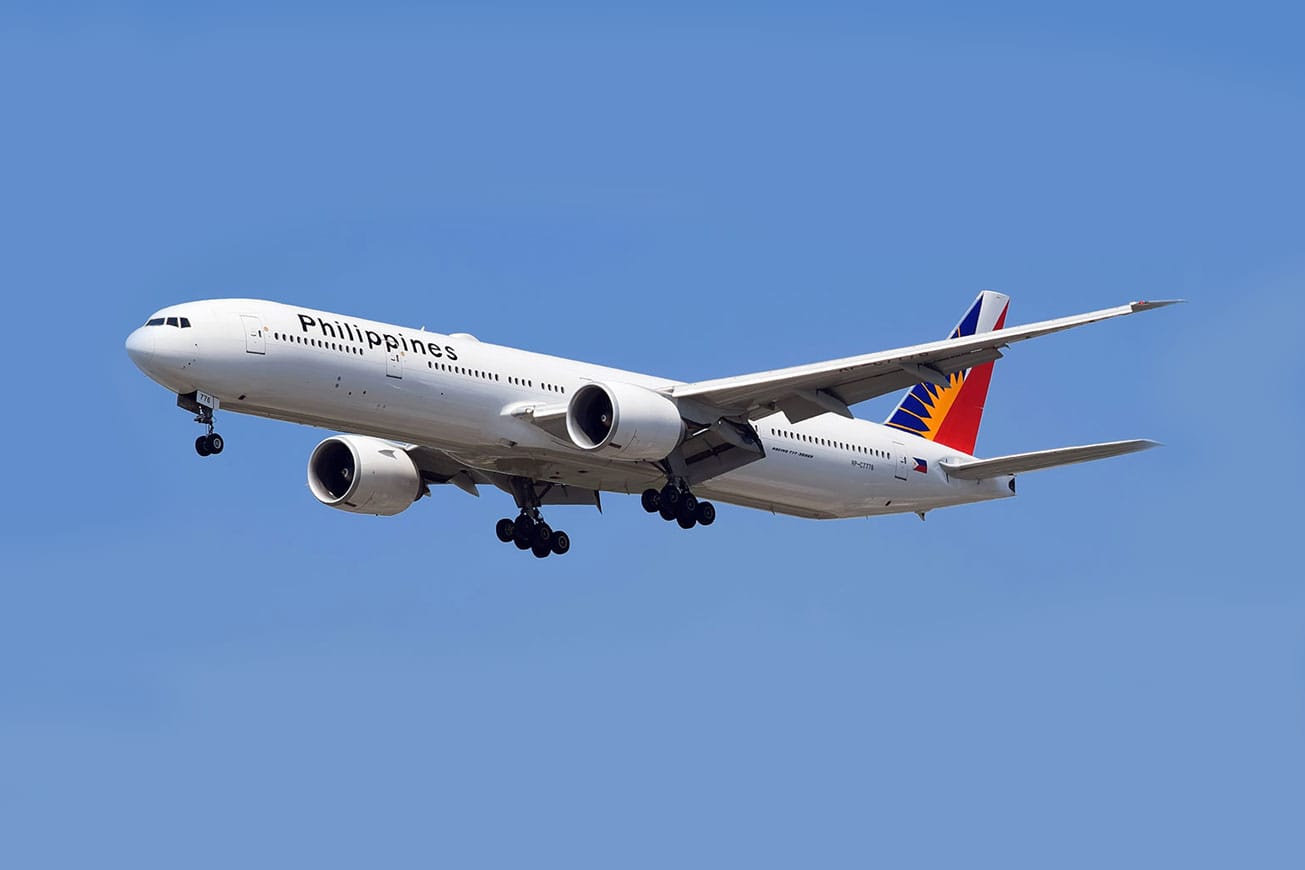
Philippine Airlines has put in a strong showing to be the top performing carrier in 2025, with an impressive 83.12% of its flights arriving on-time across the year. That is impressive given its home base of Manila Ninoy Aquino International airport is prone to congestion.
It has been a significant year for the carrier, which has seen a transition of president and chief operating officers. Richard Nuttall was appointed president of the airline in late May, aided by Carlos Luis Fernandez as vice president and chief operating officer.
Just behind PAL, Air New Zealand delivered a significant improvement despite grappling with engine issues that have at times grounded up to six aircraft across its Airbus A320neo family and Boeing 787 fleets. It appears to have proactively managed those issues by adjusting its schedule, and keeping overall capacity flat, while also bringing in wet-leased capacity towards the end of the year.
Across the Tasman Sea, Virgin Australia re-enters the top 10 this year, just edging ahead of rival Qantas. Both carriers appear to have benefitted from adding new aircraft that has limited capacity growth but built in greater network resilience. In the case of Qantas, it has been growing back its international capacity as the last of its Airbus A380s re-entered service, while it, too, tapped wet-leased aircraft from Finnair.
IndiGo had a strong showing for most of the year, delivering 80% and higher on-time performance rates between June and October before falling back in November and December. That was largely driven by a change in flight crew duty regulations in early December which led to large scale delays and cancellations over successive days, forcing it at one point to cancel all flights from Delhi to reset its operations. That effort proved successful, though, and it quickly scaled its operations back up to over one thousand flights per day with minimal cancellations.
Japanese carriers continued their strong showing, albeit with some falls in the rankings. Japan Airlines ceded top place to PAL, falling to fifth, while All Nippon Airways fell from second to third place. Nonetheless, both carriers continued to display solid operational performances, and in the case of ANA that was with many of the fleet availability issues that Air New Zealand faced.
Cathay Pacific’s improvement in on-time performance may be partially attributed to the full opening of the three-runway system at its Hong Kong International airport hub. As one of the countries that was later to lift Covid restrictions, the carrier has not put fleet and pilot shortages behind it and has re-emerged as one of the key connecting carriers in Asia.
Similarly, Singapore Airlines on had a minor slip in on-time rate year-on-year, but continued to justify its reputation for sterling service while maximising the use of its fleet.