

























AIRPORTs
From data to decisions: Inside Melbourne Airport’s operational intelligence strategy
Discover how Melbourne Airport built a trusted data foundation and brought Cirium data into everyday workflows to plan with greater confidence.
#SOLVEDBYCIRIUM

Melbourne Airport is Australia’s busiest 24/7 airport and a key gateway connecting Victoria to the world. Named best airport in Australia and the Pacific at the 2026 Skytrax World Airport Awards, it continues to enhance operational performance and passenger experience amid rapid growth. Behind the scenes, data and technology are helping the team make smarter decisions every day.
We spoke with Chad Cao, Aviation Data Product Owner at Melbourne Airport, about how the airport is using data and its partnership with Cirium to navigate growth, maximize efficiency, and deliver operational impact.

Chad Cao
Aviation Data Product Owner
Melbourne Airport
Key outcomes
1. Turning trusted data into faster decisions
Melbourne Airport has moved from reconciling different data sets to working from a more consistent, trusted view of its data. Teams spend less time validating information and more time making strategic decisions instead.
“Conversations used to start with ‘is this number right?’ They now start with ‘what do we do about it?’”
2. Building confident forecasts with daily, accurate updates
Melbourne Airport’s in-house passenger forecast is built on the latest schedules and seat capacity from Cirium, two data sets critical to precision planning. The improved automated process now runs daily rather than periodically, with actuals coming in at under 2% variance.
“Our most recent check against actuals came in under 2% variance. That is what gives the business the confidence to plan against it.”
3. Saving time and optimizing airport resources
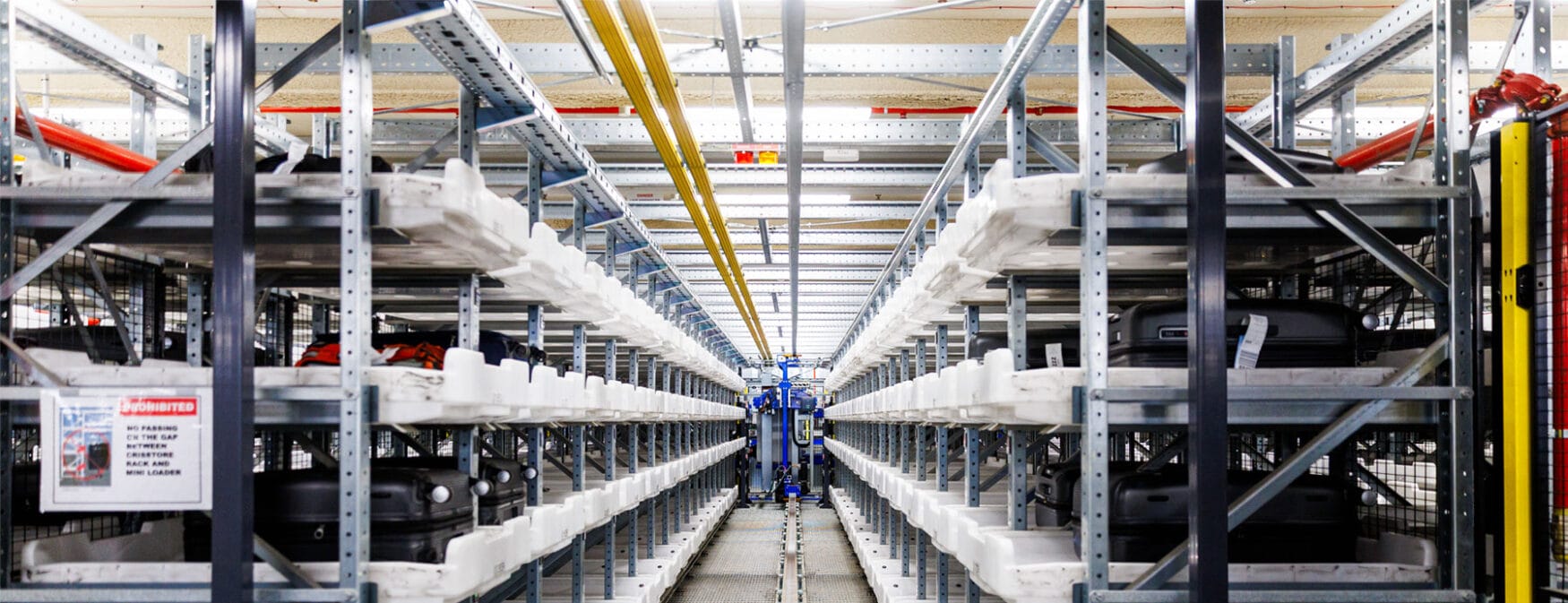
Analysis that once took days of manual collation now takes hours, with some processes fully automated. Better visibility of scheduled versus operated capacity also helps teams plan staffing, stands and terminal resources against a more realistic view of demand.
“When capacity moves unexpectedly, we can quantify the impact within hours and show exactly how the numbers were produced. Leadership decisions get made on evidence in the same week, rather than deferred until the picture clarifies on its own.”
4. Building Cirium data into everyday workflows
Cirium Sky brings schedule, movement and fleet data directly into Melbourne Airport’s operational environment. Embedded in existing models, dashboards and workflows, the data supports capacity planning, passenger forecasting, route and market analysis, and data quality assurance.
“The value of Cirium for us is not the portal; it is the data being available inside our own environment, in the shape our platform expects, at a cadence we can rely on.”
Hear more from Chad Cao
Discover how Melbourne Airport built a trusted data foundation and brought Cirium data into everyday workflows to plan with greater confidence.